What a Serial Traveler Thinks of Iran
March 6, 2021Iran’s unpopular quest for nuclear energy has dominated news headlines for decades. This has left little room for reporting on less-discussed topics about the country. One of these is tourism.
At a time of a pandemic, Iran continues to face grueling international sanctions and domestic divisions. But it is an uncontested fact that the country has a long revered civilization, and getting to know the nation with all its intricacies and complexities is a challenging task. Universities around the world offer Iranian studies courses so students can learn about Iran and its history. In recent years, growing demand to explore Iran has led to more travelers visiting the country, which is not a popular tourist destination.
Iran Through the Eyes of a Traveler (Photo Essay)
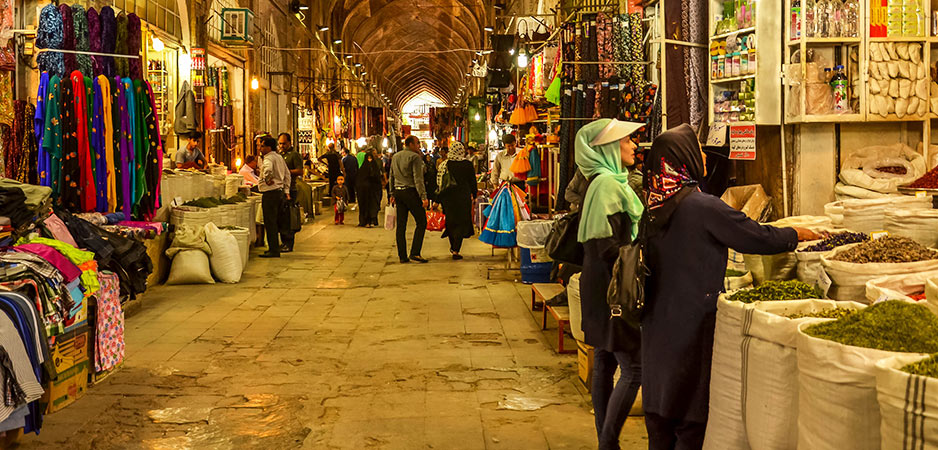
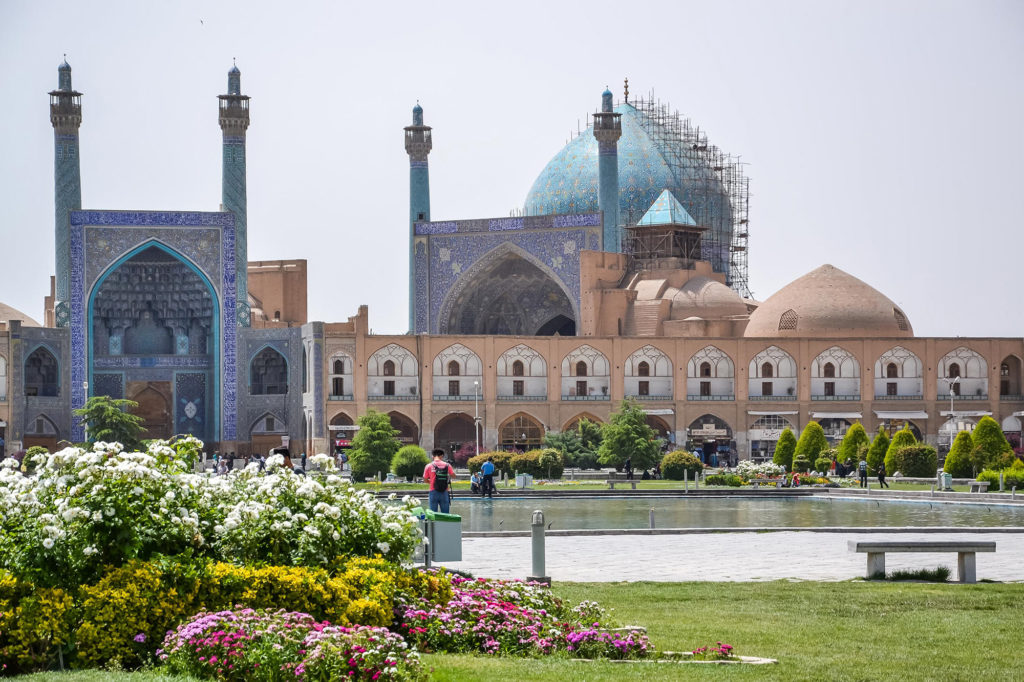
Today, much of what the global public knows about Iran comes through the prism of the media. Most of this reporting is negative and focuses on political crises. Many people may not know that Persians — long before the advent of Islam — practiced the world’s first monotheistic religion. It’s even unknown to many that Iran is home to 24 UNESCO World Heritage Sites and that there’s literally a cultural, historical or natural attraction in every corner of the country worthy of visiting.
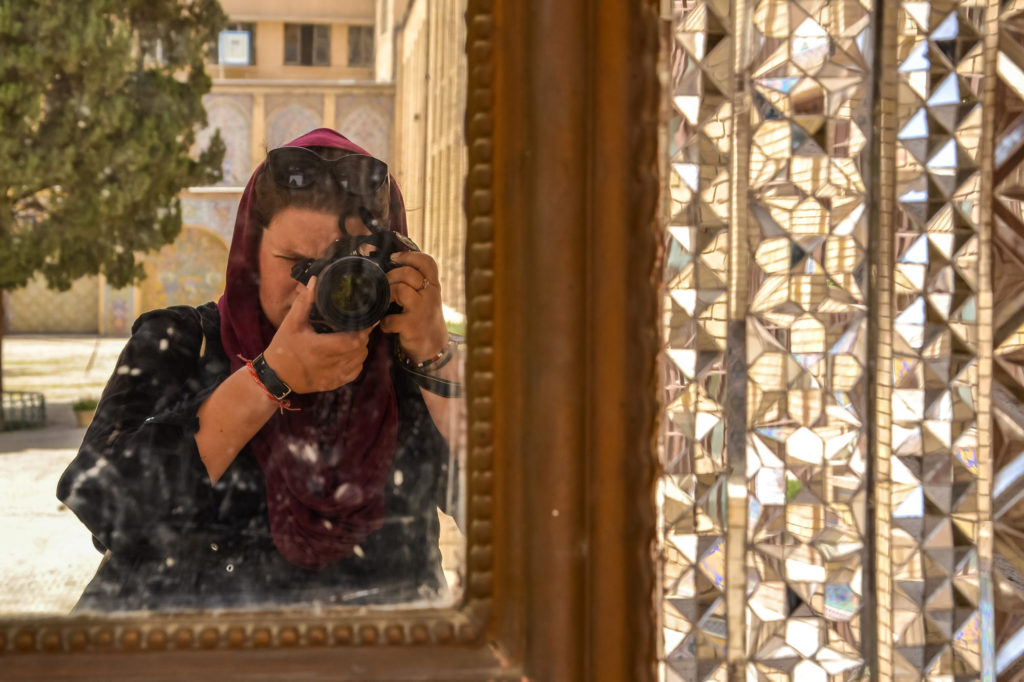
Kamila Napora is a Polish travel writer and traveler whose adventurism has taken her to more than 70 countries worldwide. She is passionate about getting to know other cultures, meeting people from different backgrounds and learning about new places. In 2015, Napora traveled to Iran alone. She documented her experiences of traveling in the country in detail on her blog and provided recommendations for those who are tinkering with the idea of visiting Iran.
In this edition of The Interview, Fond feed talks to Napora about her experience in Iran, her observations of Iranian society and her views on the portrayal of the country in the media.
The transcript has been edited for clarity. This interview took place before the outbreak of COVID-19.
I remember reading about Iran and seeing pictures from there as a kid, and those images were so beautiful that they stayed with me this whole time and eventually made me want to visit Iran really badly. In the meantime, some of my friends have traveled there and shared some beautiful stories not only about the amazing places but especially hospitable people. These stories sold me on Iran and, shortly after, I booked my flights. Unfortunately, due to work, I had to cancel my initial trip, but my desire to visit Iran was so strong I ended up traveling there a few months later.
But indeed, before my trip in 2015, there was not much about Iran in the media or online, and most of the news stories were about politics. It was not easy to find many good travel resources about visiting Iran. I feel it has improved a lot since then.
I’ve been traveling to less-known places for a while, so people around me weren’t really surprised I chose Iran as my next destination. I got a lot of positive reactions, although there were some concerns that came mostly from the lack of information about traveling in the country.
Back in World War II times, Iran had helped Polish refugees a lot and some people still remember it here [in Poland]. I think that helped a bit too in the way people perceive Iran in Poland. Before my trip, the situation in the Middle East and the refugee crisis in Europe wasn’t so serious yet, so I didn’t [receive] any concerns based on that — unlike my trip to Lebanon a year later. I think I went to Iran at the right time, when there were still not so many tensions. I’m afraid right now, the reaction of my family and friends would be totally different, but this would come only from the unfamiliarity of the region and the bad press Iran gets.
To be honest, Iran was one of the most difficult countries to travel around as a solo female traveler. This concept wasn’t very well known back then; in the 10 days I spent in Iran, I didn’t meet any other woman traveling alone. I had to do a lot of explaining that I was traveling on my own and that’s fine, I chose it to be that way.
But Iran was the only country where I had to deal with men trying to touch me, getting too close and asking for sex. This all happened usually in the middle of the day, in the middle of popular cities. On one hand, [being in a city meant] I didn’t feel too afraid as there were people around but, on the other, it made me feel uncomfortable and, eventually, I just avoided going outside after dark.
While I hated all these situations, I think I know where they were coming from. Just like people outside of Iran have some stereotypes about Persian people — who are often confused with Arabs — local people might have their own stereotypes about Western women traveling alone.
I would say that 95% of my time in Iran was incredible, but that uneasy 5% made me think twice before recommending Iran as a destination for inexperienced female solo travelers.
The lack of knowledge about the world. But, at the same time, I don’t expect people to know about every single territory in the world and what’s happening there. I expect maybe 5% of the people to be really interested in the current affairs and geography. So, even if these comments about Iran and Iraq made me roll my eyes about that, I quickly remembered that if I’m interested in the region, it doesn’t mean everyone has to be.
I also come from a country that people, especially from outside of Europe, confuse with other destinations or have a completely false image of. Over the years, I just learned not to take these opinions too personally. And I think in the case of Iran, it wasn’t the realistic image of the country, just the lack of knowledge about the Middle East and what was happening there. After all, these two names [Iran and Iraq] are similar.
Definitely! In every country, we should separate politics and people, as politicians don’t always represent their nation fully. It’s very accurate in Iran, too. The majority of people I met in Iran were warm, hospitable, welcoming and curious, and there was not a single moment when I felt they are not fine with tourists visiting their country. Quite the opposite, actually.
No, I was very happy to talk to local people as that’s what makes traveling so special too. Since there are still not too many independent travelers visiting Iran, those who venture there are somehow an attraction. I think locals were just curious [about] how I like their country and wanted to make me feel welcome there. All these friendly encounters were one of the reasons why I enjoyed my trip to Iran so much.
I had a similar experience in other countries too, like New Zealand or Georgia, but Iran is among the top places I’ve met the most hospitable people. Except for the few uncomfortable situations I encountered as a solo female traveler, everyone was friendly and welcoming. I was invited to people’s houses for dinner, I was invited to join them in restaurants, and locals bought me Iranian dishes so I could try them out. It was one of the experiences I will never forget.
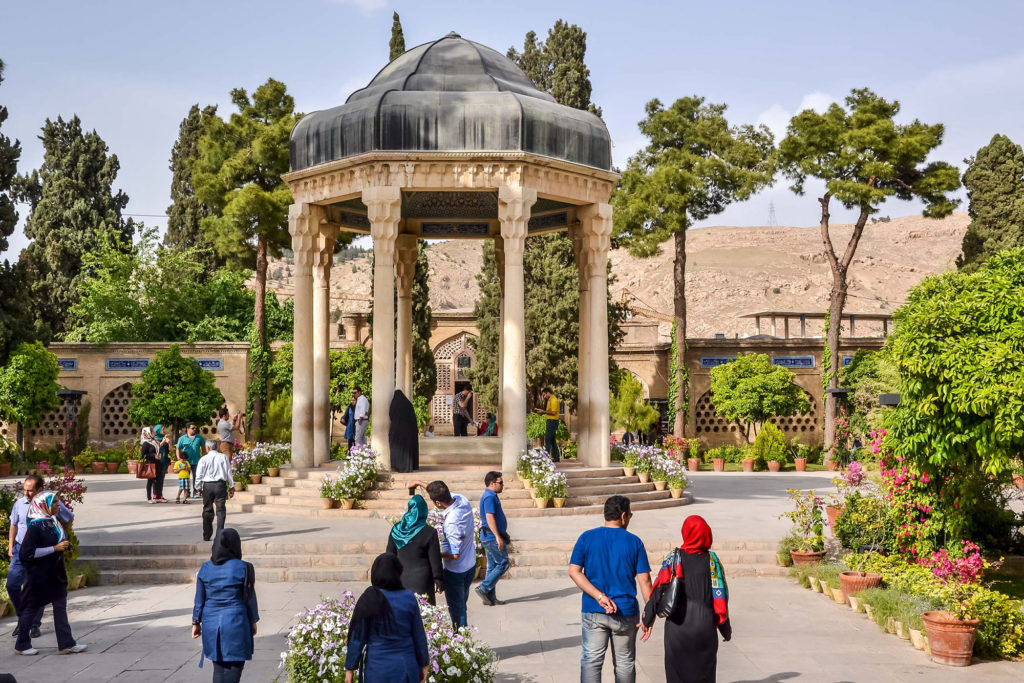
Even if I experienced similar hospitality in other places, I think the incredible hospitality of Iranian people is one of the best things about the country and it can make every traveler feel special. I felt all these friendly encounters were genuine. Also, Persian culture and history are very interesting to learn about and should be more promoted.
Unfortunately, the bad press Iran receives affects its tourism. The visa procedure isn’t also the easiest and might make some people doubt if it’s worth going through the hassle. With so many interesting places in the world, Iran doesn’t get enough attention as it is not very present in the media, including travel media, and people simply don’t know how beautiful and worth a visit the country is.
There is a lack of proper promotion of tourism in Iran, and all we learn is from other travelers who have visited the country. Opening up for travelers and making traveling to Iran easier should be a priority. A lot has changed for the better in the years since my visit, but there are still many things that can be done to attract tourists.